
Dr. Tom Ruette
2. June 2026
History and purpose
In order to offer an overview of the visual arts, performing arts and classical music in Flanders, Kunstenpunt maintains a large Wikibase instance at kg.kunsten.be, with information on performing arts productions, music releases and exhibitions. Most of our data comes from the period since 1980, though some records go even further back. We also ingest current activities daily. As of this writing, Kunstenpunt’s Wikibase instance contains well over 1 million pages, including descriptions and links covering about 250,000 artists, art workers and art organizations and a multitude of artistic activities.
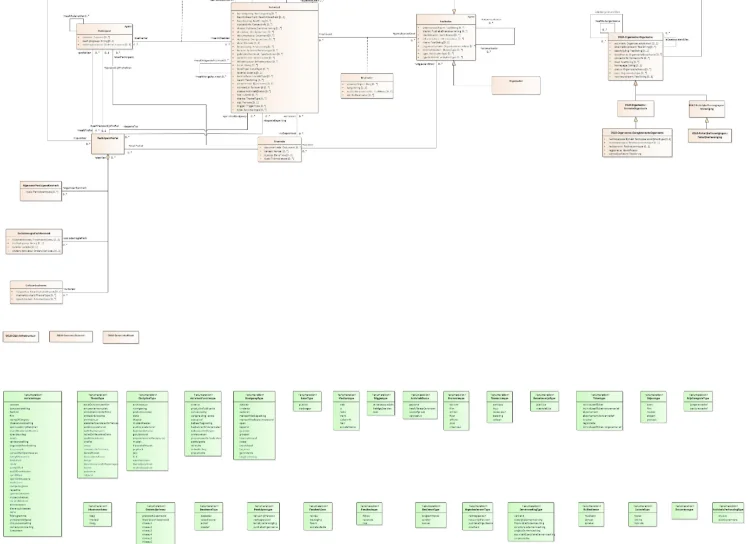
Our data collection practices began in the 1990s, when each category of data was collected in its own custom database. In 2024, a Flemish consortium of institutions developed a “cultural participation” data standard for describing cultural events and their organizers and participants. This standard relates to other Flemish standardized data models, such as those for cultural infrastructure or cultural heritage objects. Moreover, all these standards are compatible with and reference international standards, such as CIDOC CRM and schema.org. Based on this standard, we were able to unite the three legacy databases into one Wikibase.
However, running a database is not Kunstenpunt’s main purpose. We developed a decoupled frontend to Wikibase at databank.kunsten.be to lend “findability” to artists and art organizations active in Flanders. Every entity in the database is just one of many; as a support organization for the entire arts sector, Kunstenpunt doesn’t wish to promote any individual, organization or activity over another, nor to gatekeep the database. The database is open to anybody who identifies as a professional art worker in Flanders. Anybody — artists, curators, programmers, organizers and facilitators alike — wanting to find their way in the Flemish art scène can get an initial sense of “who’s who”.
Choosing Wikibase
Our inclusive way of working — anybody can contribute, no gatekeeping — demands the availability of a powerful database. Information about artistic events can quickly become unwieldy, and much of this information is already collected in other databases, ranging from open platforms like Wikidata, through public institutions such as RKD and the TheaterEncyclopedie, to private initiatives like Operabase, ArtFacts and MusicBrainz.
Rather than duplicating data, we wanted to find the void that the Kunstenpunt database could help fill. Analysis led us to two conclusions: limit the scope to artists and organizations that are active in Flanders, which deepens data quality; and describe activities with metadata — for every activity, we reference the participating people, organizations, venues, etc., then find the equivalents on Wikidata.
That strategic decision meant we needed an impressive database, one with the flexibility to accommodate data standards, an interface for multi-user data ingestion, user management, editing history, content moderation, linked open data functionality, an API to connect our front end, quality assurance constraints and more.
We opted not to enter our data directly into Wikidata, because our no-gatekeeping policy might conflict with Wikidata’s notability requirements, and building our own database from scratch would have been excessively costly and a long-term software development commitment. Besides, we wanted to contribute to and reuse existing open source initiatives rather than reinventing the wheel.
After careful analysis and consulting with our colleagues at meemoo.be, we decided a hosted instance of Wikibase in our own domain suited our requirements the best — most of the necessary functional and technical requirements came standard, and our additional needs would be covered by extensions. We decided to purchase professional.wiki’s services for setup, hosting and long-term support.
Game-changing extensions
Though Wikibase is in itself a fantastic tool, we and professional.wiki have included a great deal of extensions in our Wikibase instance. Here are three game-changing extensions we’ve installed:
Wikibase Local Media lets us include copyrighted images for which we obtained rights within our own kunsten.be domain, but which are not in the public domain. As much as we would like to contribute to Wikimedia Commons, the artists or art organizations do not always grant permission. Thus we needed a way of limiting the reuse of materials, and with the Wikibase Local Media extension we can store them alongside our Wikibase instance.
Wikibase Quality Constraints allows us to set soft limitations on what can be modeled in kg.kunsten.be. Wikibase allows everything to be connected to everything, but in our model certain links cannot be made. For example, you cannot use a musical instrument as a genre. The physical location of a theatre performance cannot be an artist or an organization; it must be an item of the type “location”. With Wikibase quality constraints on properties, we found a very intuitive way to give users a warning — more constructive and flexible than a blocking error — without completely preventing them from entering data.
To get an overview of items with constraint violations, we programmed a small graphical application: https://github.com/Kunstenpunt/datakwaliteit-tool/. It can be customized for your specific Wikibase instance. The tool uses custom SPARQL queries, and it can check any of the property constraints we’ve defined and generate a list of violating statements.
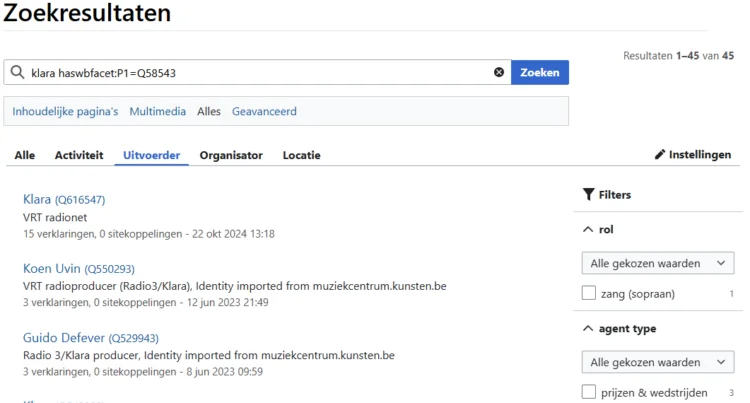
Finally, we installed the Wikibase Faceted Search extension. A full text search on a database of this size can be unproductive, so we apply a faceted search pattern to the many search results. Users can narrow their search by the four main aspects of our data model on the top bar — activities, performers, organizers and locations — then select more fine-grained filters on the right sidebar.
Navigating the data
It is often a challenge to display and navigate the rich data in kg.kunsten.be. Wikibase offers some impressive out-of-the-box data visualisations.
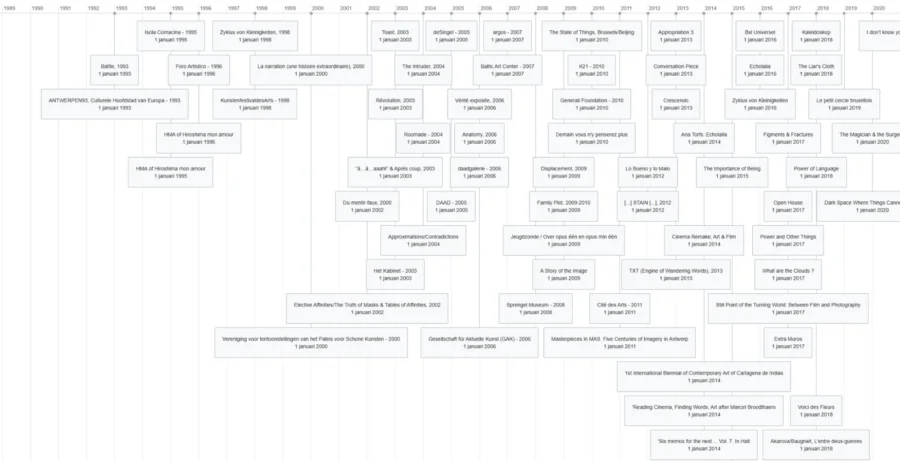
We start with a timeline of Ana Torfs’ exhibitions. Ana Torfs has a long career with many key exhibitions. Viewed as a list, her CV is long and impressive; visualized on a timeline, one also sees that it took Ana Torfs from the early nineties until well into the 2010s to become a frequently exhibited artist.
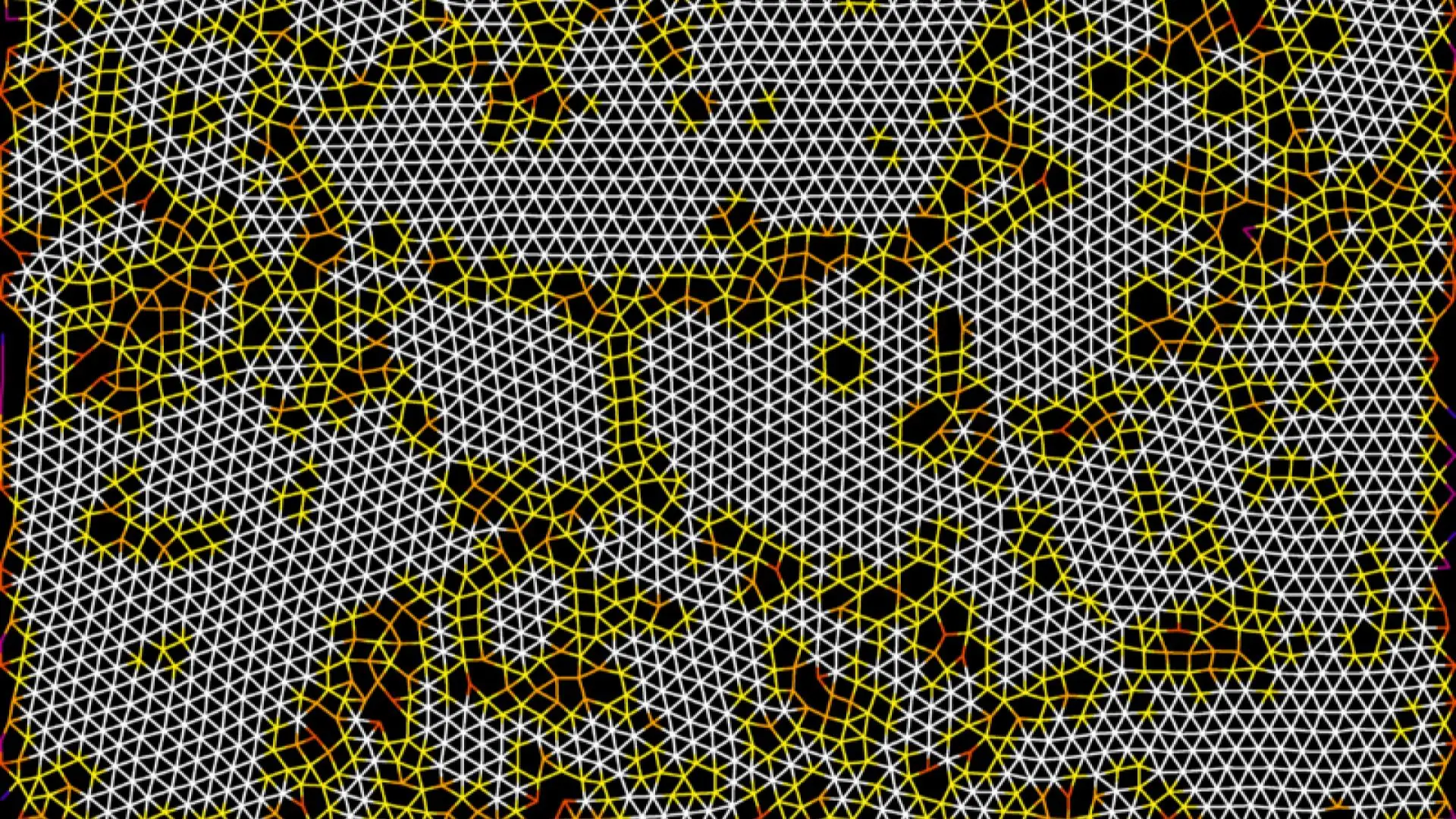
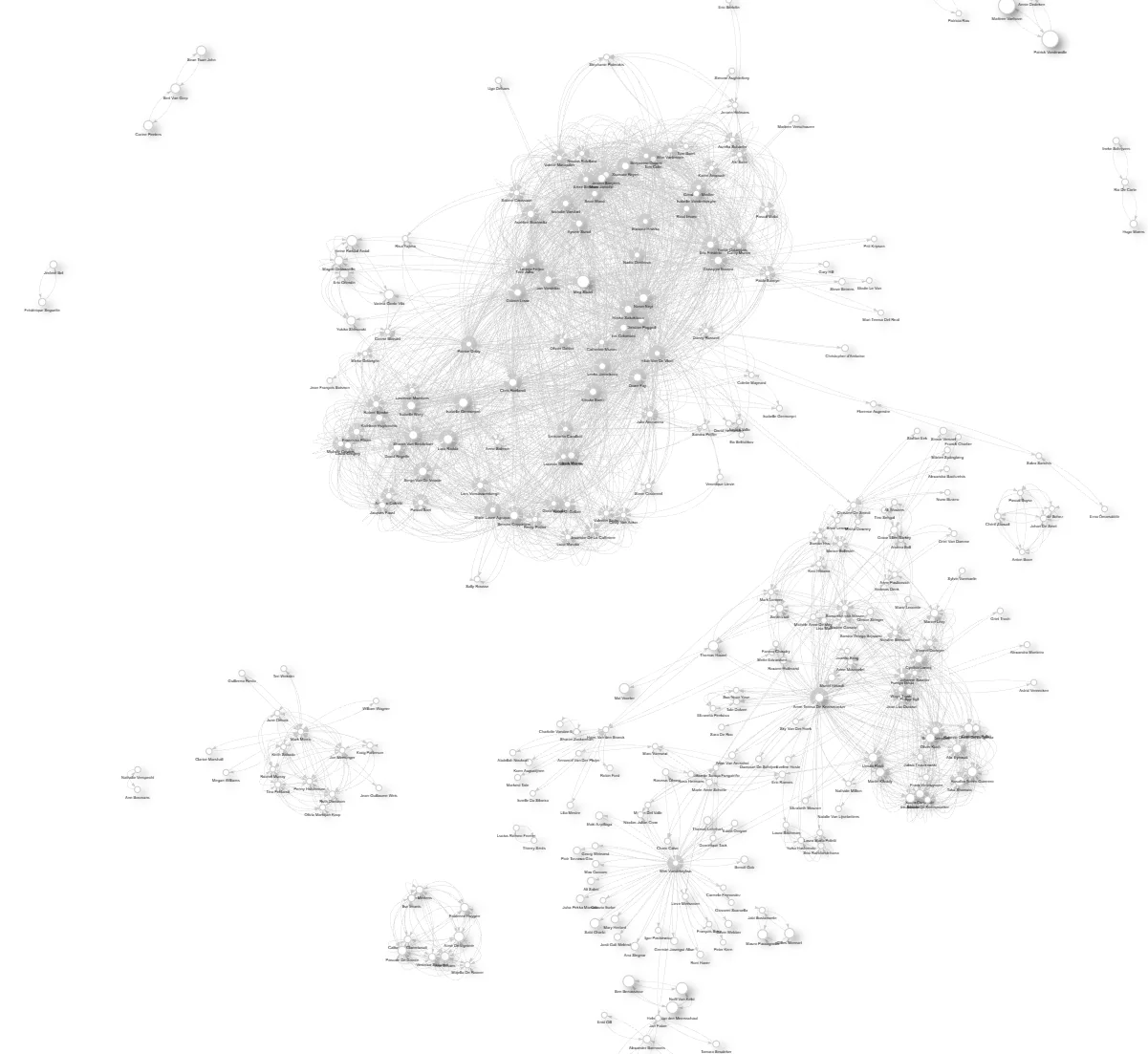
Flanders is well known for its wave of performing artists, especially in dance, that began in the 1980s. We mainly remember individual choreographers like Alain Platel or Anne Theresa De Keersmaeker (Rosas). Visualising the “Flemish Wave” of dancers and choreographers in the eighties reveals that many more people were part of the wave: The dense cluster in the middle is the more classical ballet-centered dance scène. The other large cluster on the right shows the grouping around people like Rosas and Wim Vandekeybus.
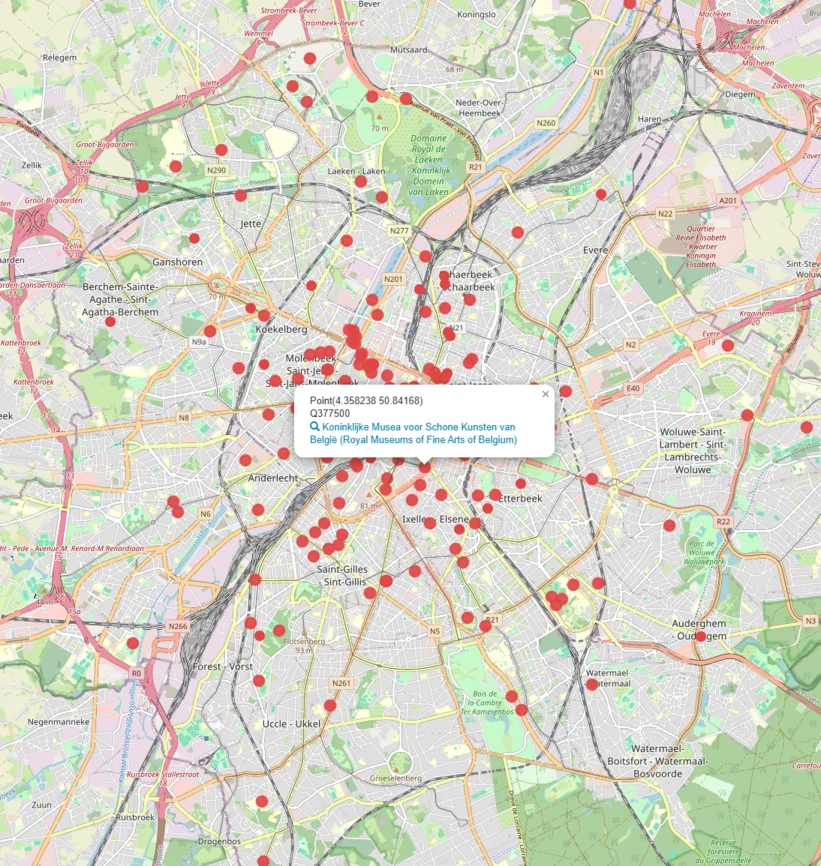
Finally, here is a map of cultural venues and organizations in Brussels, generated from the locations’ GPS coordinates. Kunstenpunt does not store that information, so we set up a federated query to select venues in our Wikibase and then retrieve their GPS information from Wikidata. For this, we use the Wikidata property “Kunstenpunt Knowledge Graph”, which refers back from Wikidata items to the corresponding kg.kunsten.be item. We also try to link from kg.kunsten.be to Wikidata; we would rather contribute data to Wikidata, such as GPS coördinates and personal information, than duplicate it in our own database. The process in reverse also works, because kg.kunsten.be is on the allow list for federated queries from Wikidata.
Organizing the work
A database is nothing without people who can do the necessary data work. There are three people in Kunstenpunt proactively adding data, one for each sector (music, performing arts and visual arts). But the arts sector in Flanders is simply too dynamic to be covered by three people alone; we also rely on artists themselves, their entourages, and volunteers to contribute or enter information.
Organizing this work is a challenge. Artists often reject rigid structures, and dealing with edge cases near the boundaries of the data model take a lot of energy. The triple-logic of Wikibase allows for a lot of flexibility, and because we only warn when property constraints are violated, we can introduce edge cases without having to fundamentally change the model. But how to track these cases?
Also, artists do not necessarily stay within their sector — some musicians also perform in theatre, and visual artists record music — which means each of our three colleagues must discuss these cases with their counterparts in the other disciplines. But how to make and document these decisions? And what about when an enthusiastic volunteer wants to contribute but finds the possibilities and technical learning curve of Wikibase overwhelming?
Over the past years, we have invested in the semantic and technological development of our Wikibase. We now have a stable environment. Now we’re seeing questions about management begin to arise.
Kunstenpunt (Flanders Arts Institute) provides professional support for those working in visual art, performing arts and classical music. Its goal is to provide inspiration, to offer a reliable source of knowledge and to be a data provider, a fact-checker, a source of support, a facilitator and an innovator.
Dr. Tom Ruette manages the knowledge development at Kunstenpunt / Flanders Arts Institution. With an academic background in semantics and computational linguistics, Tom currently works as a team lead, overseeing the expertise in artistic and societal topics that are current in the Flemish art sector.